
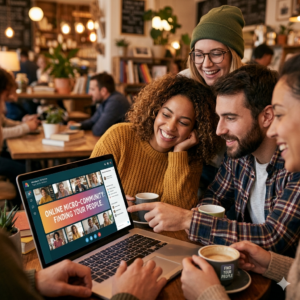
But here’s what’s shifting in community management in 2026: audiences are moving toward smaller, more concentrated groups — often on platforms outside the traditional social channels. They’re choosing micro-communities over mass audiences, and for good reason.
This movement reflects what made social media fun in the first place — finding your people. Micro-communities are now driving that shift forward.
Want to know how micro-communities work for your brand? This post answers your biggest questions and helps you plan your community management moves this year.
What Are Micro-Communities?
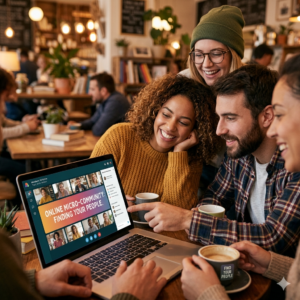 Micro-communities are small, focused online groups organized around very specific topics — from shared interests to niche challenges — across several platforms. You’ll find them in Reddit subreddits, private Facebook Groups, Discord servers, and even WhatsApp group chats, particularly in spaces like health and wellness. They’re often identified by specific hashtags or invitation-only access.
Brands, influencers, and streamers are watching micro-communities grow as people seek close-knit, trusted spaces built around shared interests. The appeal is less noise from trolls, spam, and disengaged audiences — the pitfalls that discourage participation in larger or open communities.
The defining attribute of a micro-community is size. These groups are significantly smaller than a brand’s public social media following. While the exact member count varies, micro-communities can thrive with fewer than 100 members and remain valuable with only a few dozen engaged participants.
How Brands Can Find Existing Micro-Communities
Social listening is the best starting point for identifying relevant micro-communities for your brand. To determine which groups to monitor, explore, or engage, start with these approaches:
Track unique language your followers already use. Note keywords, phrases, or hashtags appearing in tagged and untagged mentions, then explore those conversations further. If you find people talking about your brand in spaces your team isn’t yet involved with, that’s an important signal to investigate. These insights can be eye-opening — particularly when they reveal experience-driven conversations about what excites or frustrates your audience about your products.
Look for overlapping members. Identifying repeat participants across multiple niche groups can surface potential candidates for your own micro-community — or reveal emerging brand ambassadors worth nurturing.
Map your ideal customer’s interests beyond your category. Dig into how your target audience’s identity crosses over into hobbies, passions, and lifestyle interests, then look for smaller communities in those areas. Facebook Groups can be a useful starting point, though many eventually grow into large communities that lose the micro-community dynamic.
Tap into your existing influencer relationships. Influencers who collaborate with your brand may already have established micro-communities. Partnering with them can help build credibility with niche audiences more efficiently than starting from zero.
One important note on community management in 2026: a brand cannot insert itself into a micro-community without a genuine reason to be there. If you show up in a subreddit with nothing noteworthy to share, prepare your community managers for backlash. Micro-communities are not the open playing fields we see in public comment sections.
How to Build a Brand Micro-Community from Scratch
Many micro-communities flourish without any brand involvement, which leaves some brands wondering whether to create their own. If you decide to build one, these steps can guide your micro-community strategy:
1. Identify your strongest advocates. Determine who your brand champions, repeat customers, and most engaged fans are — and which platforms they already use.
2. Choose a platform deliberately. Your platform choice should match your community’s behavior and goals:
- Reddit continues to grow as a community hub. Weekly active search users have climbed significantly year over year, making it a strong choice for topic-driven micro-communities.
- Facebook remains a familiar option for brands, with easy group discovery and management tools for communities of all sizes.
- Instagram Broadcast Channels open a direct line to your closest followers through text, video, voice, and interactive features — a format that has continued to scale since its 2023 launch.
- Discord offers powerful options for live streaming, audio rooms, and organized chat channels that support deeper engagement.
- Other platforms worth considering include Slack, private website forums, and dedicated community platforms like Circle or Skool.
3. Define what the community will accomplish. Purpose drives belonging. Consider goals like:
- Providing early or exclusive access to new products — making members feel like insiders while building loyalty and anticipation.
- Using the group as a sounding board for new products, services, or offerings — generating invaluable customer feedback that strengthens both innovation and brand reputation.
- Creating deeper connections between brand and members through planned touchpoints that support advocacy and trust, rather than sales-driven messaging.
- Celebrating moments that matter — completed milestones, new life events, returns after absences — to make members feel genuinely valued.
- Sharing content your community actually cares about, such as relevant blog posts and videos.
4. Launch small and iterate. Start with one micro-community before scaling anything. Pay close attention to what creates engagement and what falls flat — this will tell you what your community finds valuable. Listen to and trust the members you’ve curated. Stay open to everything, including critical feedback, because a thriving community includes both positive and constructive voices. Take the time to nurture relationships so members stay active rather than drifting away.
Why Micro-Communities Matter for Community Management in 2026
Micro-communities are becoming vital because they deliver what users miss in large, public communities: trust, belonging, and genuine connection. This shift is redefining how audiences and brands interact online.
As social media continues to be flooded with AI-generated content, noise, trolls, and sales-focused messaging, users are seeking quieter, more focused spaces where they can engage with people and topics that genuinely matter to them. This is one of the defining trends of social media strategy in 2026.
As Gretchen Oestreicher put it well: you don’t need huge numbers or viral content to make an impact — you need a clear purpose, the right people, and time to engage.
One thing is certain as we move through the year: community remains the heart of social media. We can’t wait to see where brands take their micro-community strategies next.
Frequently Asked Questions About Micro-Communities
What are micro-communities in social media?
Micro-communities are small, focused online groups organized around specific topics, interests, or challenges. They typically consist of fewer than 100 members and thrive on platforms like Reddit, Discord, private Facebook Groups, and WhatsApp. Unlike large public audiences, micro-communities prioritize trust, relevance, and genuine connection between members.
How can brands find or create micro-communities?
Brands can find existing micro-communities through social listening — tracking unique keywords, hashtags, and untagged mentions to discover where relevant conversations are already happening. To create a micro-community from scratch, start by identifying your strongest advocates or repeat customers, choose a platform that matches their behavior, define the community’s purpose, and start small with one focused group before scaling.
Why are micro-communities important for community management in 2026?
Micro-communities are important in 2026 because audiences are migrating away from noisy, spam-filled public channels toward smaller, trusted spaces. As AI-generated content floods larger platforms, users seek communities where conversations feel genuine and members are vetted. For brands, micro-communities offer higher engagement, deeper loyalty, and more authentic customer feedback than broad audience strategies.
Which platforms work best for brand micro-communities?
The best platform depends on your audience. Reddit is experiencing strong growth in active search users and suits topic-driven communities. Facebook Groups remain accessible and easy to manage. Instagram Broadcast Channels offer direct text, video, and voice access to your closest followers. Discord provides robust options for live streaming, audio, and chat. Other options include Slack, private website forums, and dedicated platforms like Circle or Skool.
Can a brand join an existing micro-community without creating its own?
Yes, but brands must approach existing micro-communities with genuine value. Showing up in a subreddit or private group without something relevant to contribute can trigger backlash from members. Social listening can help identify where organic brand conversations are happening, and brands should earn their way in by adding insight, support, or access rather than broadcasting promotional content.
Ready to Build Your Brand’s Micro-Community Strategy?
At Ignite Social Media, we can provide audience insights, leverage social listening to find current micro-community opportunities, establish a micro-community blueprint, and help you develop a community management approach built for 2026. Let’s chat whenever you’re ready.
The post Micro-Communities: What Are They & Why Are They Important? appeared first on Ignite Social Media.